How To Style Your Kitchen Shelves With Glass Drinkware
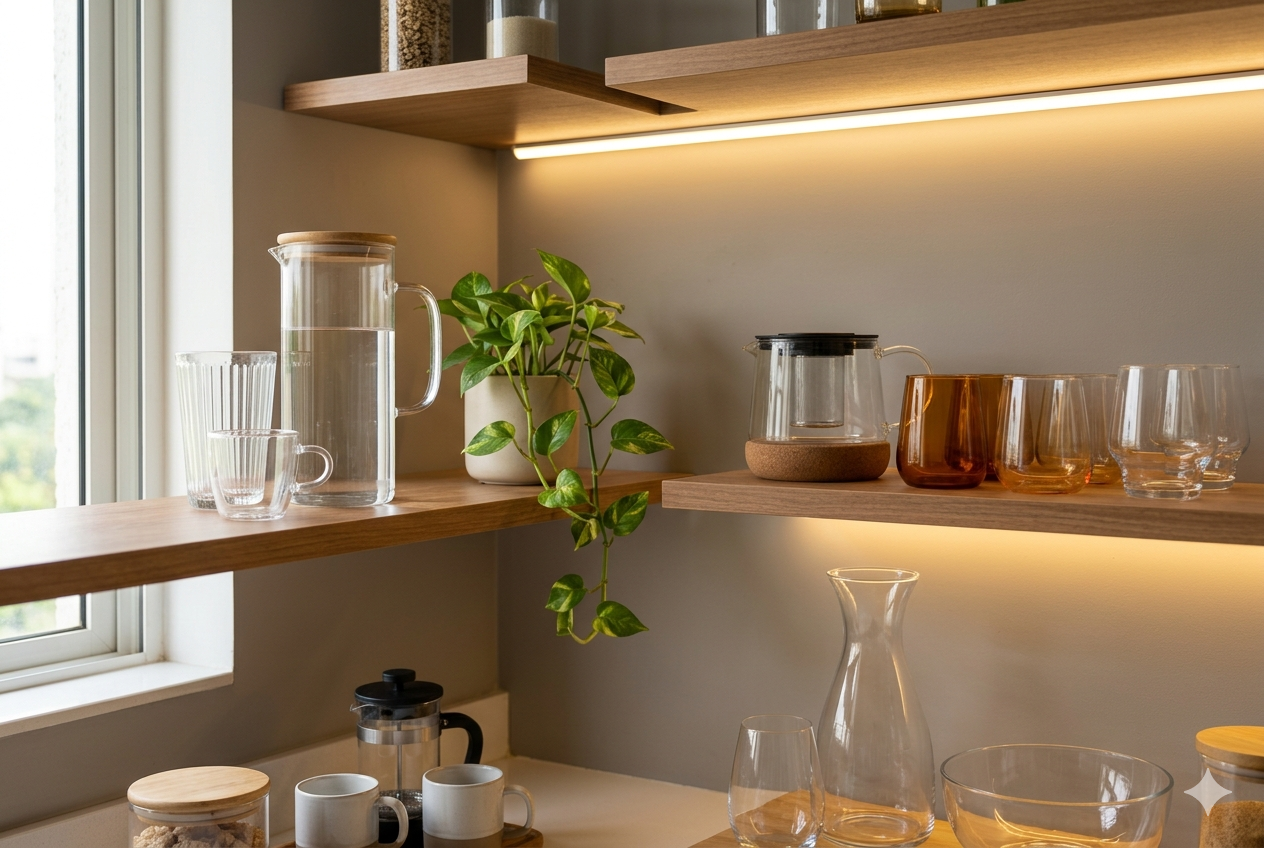
Your kitchen is more than just a place where meals are prepared. It is a living, breathing space that reflects your personality, your taste, and the way you choose to live. And yet, most people treat their kitchen shelves as purely functional — a place to stack things rather than showcase them. The truth is that your kitchen shelves are one of the most powerful styling opportunities in your entire home, and glass drinkware is the single best tool you have to make them look effortlessly beautiful.
Whether you have open floating shelves, built-in cabinetry with glass-front doors, or a simple wooden rack above your counter, this guide will walk you through everything you need to know to style your kitchen shelves with glass drinkware in a way that is visually stunning, practical, and completely personal to your space.
Why Glass Works So Well On Kitchen Shelves
Before we get into the how, it helps to understand the why. Glass is genuinely one of the most versatile and visually rewarding materials you can place on kitchen shelves, and here is the reason it works so well.
Glass reflects light, making spaces feel larger and more alive. In a kitchen — which is often one of the busiest and most compact rooms in an Indian home — this quality is incredibly valuable. When natural light from a window hits a row of glass tumblers or a tall glass water jug on your kitchen shelves, it bounces and refracts across the room, creating a sense of warmth and openness that no ceramic or plastic piece can replicate.
Glass also allows your eyes to see through and beyond it, creating depth on even a shallow shelf. This is particularly important for kitchen shelves that are narrow or positioned close to a wall. Opaque drinkware — mugs, ceramic jugs, stainless steel bottles — visually blocks the shelf and makes it feel crowded and heavy. Glass pieces, on the other hand, layer beautifully without visually closing off the space behind them.
Unlike ceramics or opaque drinkware, glass pieces layer beautifully without visually blocking each other. This means you can place multiple glass items on the same shelf — a jug behind a tumbler behind a small glass — and all three remain visible, creating a sense of depth and abundance rather than clutter. It is this quality that makes glass the designer’s first choice for open kitchen shelves across every aesthetic, from minimal Scandinavian to warm maximalist.
The Rule Of Three For Styling Kitchen Shelves
One of the most reliable principles in interior styling is the rule of odd numbers — and it applies perfectly to kitchen shelves. The human eye finds groupings of three, five, or seven objects more visually pleasing than even-numbered groupings. This is because odd groupings feel dynamic and intentional, while even groupings can look rigid and overly symmetrical.
When applying this rule to your kitchen shelves, start with groupings of three. A simple but highly effective combination is a tall 1.9L glass water jug, a medium-sized glass tumbler, and a short espresso glass mug placed together on the same shelf. The varying heights create natural rhythm across the shelf, while the shared transparency of all three pieces creates cohesion — they clearly belong together even though they are different shapes and sizes.
You can expand this principle across the entire length of your kitchen shelves by thinking in clusters. Rather than lining items up in a single uniform row, break the shelf into sections of three or five, with deliberate breathing room between each cluster. This approach instantly elevates the look of your shelving from functional storage to intentional, gallery-style display.
Do not be afraid to mix glass drinkware with one or two non-glass items within each cluster. A small potted herb, a ceramic candle holder, or a wooden serving board placed next to your glass pieces adds texture and warmth without undermining the visual lightness that glass brings to the shelf.
Styling Ideas For Kitchen Shelves By Aesthetic
One of the best things about glass drinkware is its versatility. It adapts beautifully to virtually any interior aesthetic, which means you do not have to redecorate your entire kitchen to style your kitchen shelves well. Here are three distinct approaches based on popular home aesthetics in India:
The Minimal Morning Station
If your kitchen leans toward a clean, uncluttered aesthetic, the minimal morning station arrangement works beautifully on kitchen shelves. Place a tall glass water jug on the left side of the shelf, a set of matching glass mugs in the centre, and a glass teapot or French press on the right. Tuck a small trailing plant — a pothos or a sprig of fresh mint — between the jug and the mugs to introduce a single organic element that softens the precision of the arrangement.
The key to this look is restraint. Every item on the shelf should earn its place. Remove anything that does not serve either a visual or a daily functional purpose. The result is a shelf that feels calm, considered, and genuinely beautiful to look at every morning.
The Colour-Pop Approach
For kitchens that embrace colour and personality, alternating clear and tinted glass pieces creates a contemporary, playful look on kitchen shelves. Tinted borosilicate glass — available in soft amber, sage green, dusty blue, and smoked grey — adds colour without the visual heaviness of opaque ceramics. Try alternating a clear glass tumbler with an amber one, or place a set of sage green glasses next to a clear glass jug.
This approach works especially well on kitchen shelves with a white or light-coloured wall behind them, where the tinted glass really pops. If your kitchen has coloured walls, stick to clear glass or choose tinted pieces in a complementary shade rather than a contrasting one, to keep the overall look balanced and intentional.
The Everyday-Ready Display
This is the most practical approach, and it works particularly well for busy households where the kitchen shelves need to be both beautiful and genuinely functional. The idea is to display your most-used glass pieces at the front and centre of each shelf, fully integrated with your daily routine. Your everyday water glasses are front and centre. Your morning mugs are at eye level and within easy reach. Your larger serving jugs sit at the back or on the top shelf.
The key to making this look intentional rather than just practical is consistency of material and colour. When all your everyday drinkware is glass — and ideally from a cohesive collection — even a fully functional, in-use shelf looks styled and considered. It rewards you with beauty every single day, not just on special occasions.
Lighting Your Kitchen Shelves For Maximum Impact
Lighting is the single most underrated element of kitchen shelves styling, and it is where glass drinkware truly comes into its own. If your kitchen has under-cabinet LED strips, or if you are planning a kitchen renovation, positioning lights to backlight your glassware is a decision you will never regret.
The translucency of borosilicate glass turns mundane drinkware into something that glows warmly in the evening. When light passes through a glass jug filled with water, or illuminates a row of glass tumblers from behind, it creates a soft, warm luminosity that transforms your kitchen shelves into something genuinely atmospheric. It is a simple upgrade — LED strip lights are affordable and easy to install — with a dramatically beautiful result that makes your kitchen feel like a considered, designed space rather than just a room where things are stored.
For daytime styling, position your kitchen shelves to take advantage of natural light wherever possible. A shelf positioned near a window will catch morning or afternoon light and send it dancing across the room through your glass pieces. If your shelves are in a darker corner of the kitchen, consider adding a small directional spotlight above the shelf to achieve a similar effect.
Warm white LED lighting works best with clear borosilicate glass, giving it a golden, candlelit quality in the evenings. Cool white lighting works better with tinted glass, enhancing the colour without washing it out. Experiment with both to find what works best with your specific glass collection and kitchen colour palette.
Common Styling Mistakes To Avoid On Kitchen Shelves
Even with the best glassware and the most thoughtful intentions, a few common mistakes can undermine the look of your kitchen shelves. Here is what to watch out for:
Overcrowding The Shelf
This is the most common mistake, and it immediately cancels out all the visual benefits of glass. When kitchen shelves are packed too tightly, glass loses its lightness and the space starts to feel cluttered rather than curated. Leave deliberate breathing room between pieces and between clusters. Empty space on a shelf is not wasted space — it is what gives each piece room to be noticed and appreciated.
Ignoring The Wall Behind
The wall behind your kitchen shelves is as important as the objects on them. A neutral backdrop — white, warm grey, soft beige — lets glass drinkware do its visual work without competition. A bold contrasting colour — deep navy, forest green, terracotta — makes clear glass pop dramatically and adds depth to the whole display. Whatever you choose, make it intentional. A grubby, unpainted, or patchy wall behind your glassware will undermine even the most beautiful collection.
Displaying Cloudy Or Chipped Pieces
Only your best pieces should be on show on your kitchen shelves. Cloudy glass — caused by hard water mineral deposits — looks tired and neglected, even when surrounded by beautiful pieces. Regularly clean your display pieces with a diluted white vinegar solution to restore clarity. Any chipped or cracked pieces should be retired from the display shelf immediately. The standard you set for what goes on show reflects the care and intentionality of your entire space.
Building Your Glass Drinkware Collection For Shelf Styling
If you are starting from scratch or looking to upgrade what you already have, it helps to build your glass drinkware collection with shelf styling in mind from the beginning. Choose pieces that vary in height — a tall jug, medium tumblers, short espresso glasses — to give yourself the raw material for interesting, rhythmic arrangements on your kitchen shelves.
Look for collections that share a visual language — similar glass thickness, similar rim style, similar base shape — even if the individual pieces serve different functions. This cohesion is what makes a shelf display feel like a curated collection rather than a random assortment of things. Brands like Kikiluxxa offer borosilicate glass collections designed with exactly this kind of visual consistency, making it easy to build a shelf display that looks intentional and beautiful from day one.
Final Thoughts
Beautiful kitchen shelves are not the result of expensive renovations or professional interior designers. They are built one thoughtful object at a time, through careful choices about what to display, how to arrange it, and how to light it. Glass drinkware gives you a material that is naturally beautiful, endlessly versatile, and genuinely practical — the perfect foundation for kitchen shelves that you will love looking at every single day.
Start with one shelf. Choose three glass pieces of varying heights. Leave space between them. Let the light do the rest. And when you are ready to build your collection, explore Kikiluxxa at kikiluxxa.com/shop — because beautiful kitchens are built one thoughtful object at a time.
FAQs About Styling Kitchen Shelves With Glass Drinkware
1. Styling Kitchen Shelves With Glass Drinkware
As a general rule, less is more when styling kitchen shelves with glass drinkware. A single shelf looks best with three to seven pieces, arranged in one or two clusters with deliberate space between them. Overcrowding cancels out the visual lightness that makes glass so effective as a styling material. Start with three pieces of varying heights, assess the balance, and add one piece at a time until the shelf feels full but not crowded.
2. Can I mix glass drinkware with other materials on my kitchen shelves?
Absolutely. Glass drinkware looks beautiful alongside natural materials like wood, rattan, and stone, as well as ceramic pieces in neutral tones. The key is to let glass be the dominant material on the shelf, with other materials appearing as accent pieces rather than competing for visual attention. A small wooden board, a ceramic pot, or a single brass object placed within a cluster of glass pieces adds warmth and texture without undermining the lightness that glass brings to the overall display.
3. How do I keep glass drinkware looking clear and beautiful on display?
Glass on open kitchen shelves accumulates dust and can develop hard water cloudiness over time. Wipe displayed pieces down with a soft dry cloth once a week to remove dust. For cloudiness caused by mineral deposits, soak the piece in a solution of equal parts white vinegar and warm water for 30 minutes, then rinse and dry with a lint-free cloth. This restores the clarity of borosilicate glass and keeps your shelf display looking fresh and intentional.
4. What is the best shelf colour or material to display glass drinkware on?
Light-coloured shelves — white, natural wood, pale oak — work beautifully with clear glass drinkware, allowing the transparency of the glass to be the visual focus. Darker shelf materials — walnut, charcoal, blackened steel — create a dramatic contrast that makes clear glass pop with real visual impact. For tinted glass, natural wood tones tend to be the most flattering, as they complement the organic warmth of amber, green, or smoked glass pieces.
Tags:
- Kitchen Shelves
Related Posts
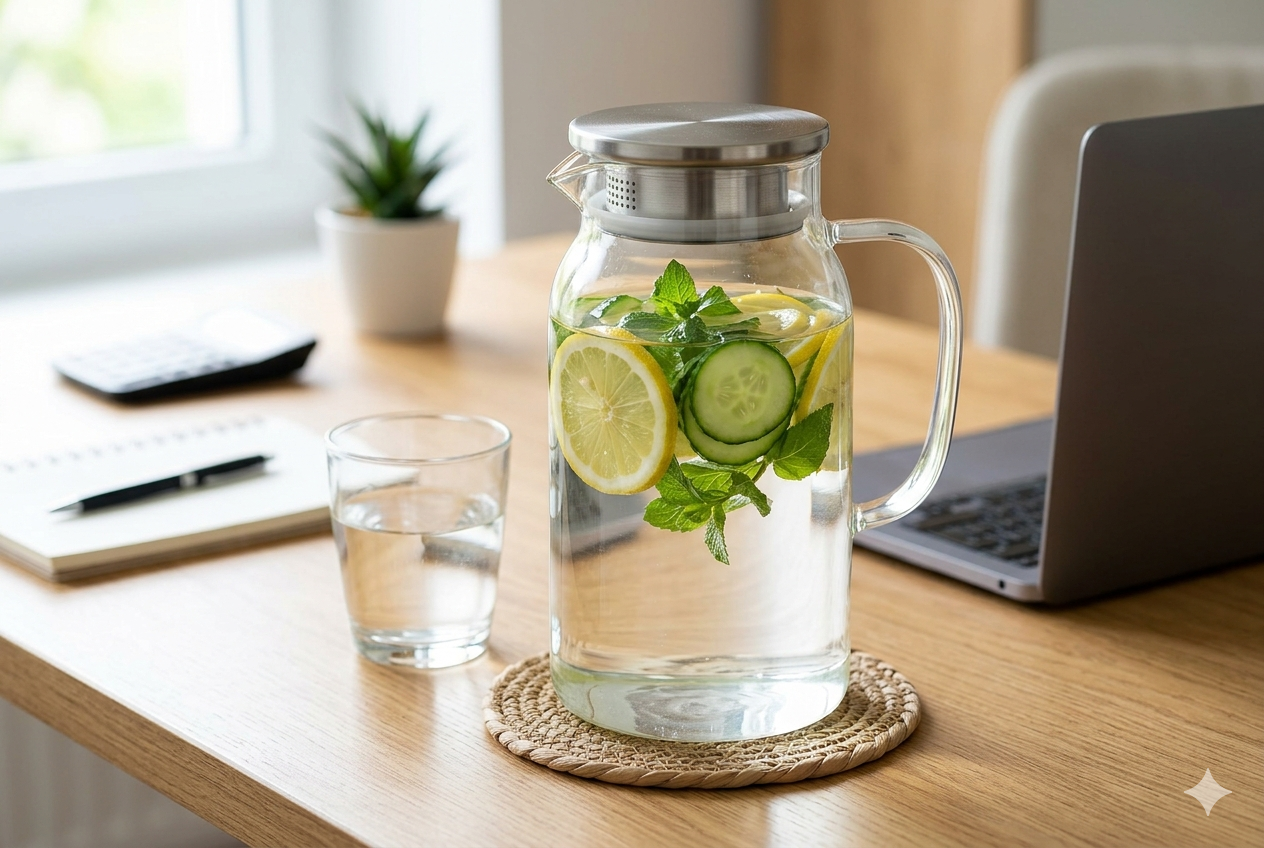
Most people know they should drink more water. The advice is everywhere — eight glasses a day, half your body...
- 6 min read
- 6 min read
- 6 min read

- 6 min read