The Best Glass Teapots For Brewing Herbal Teas At Home
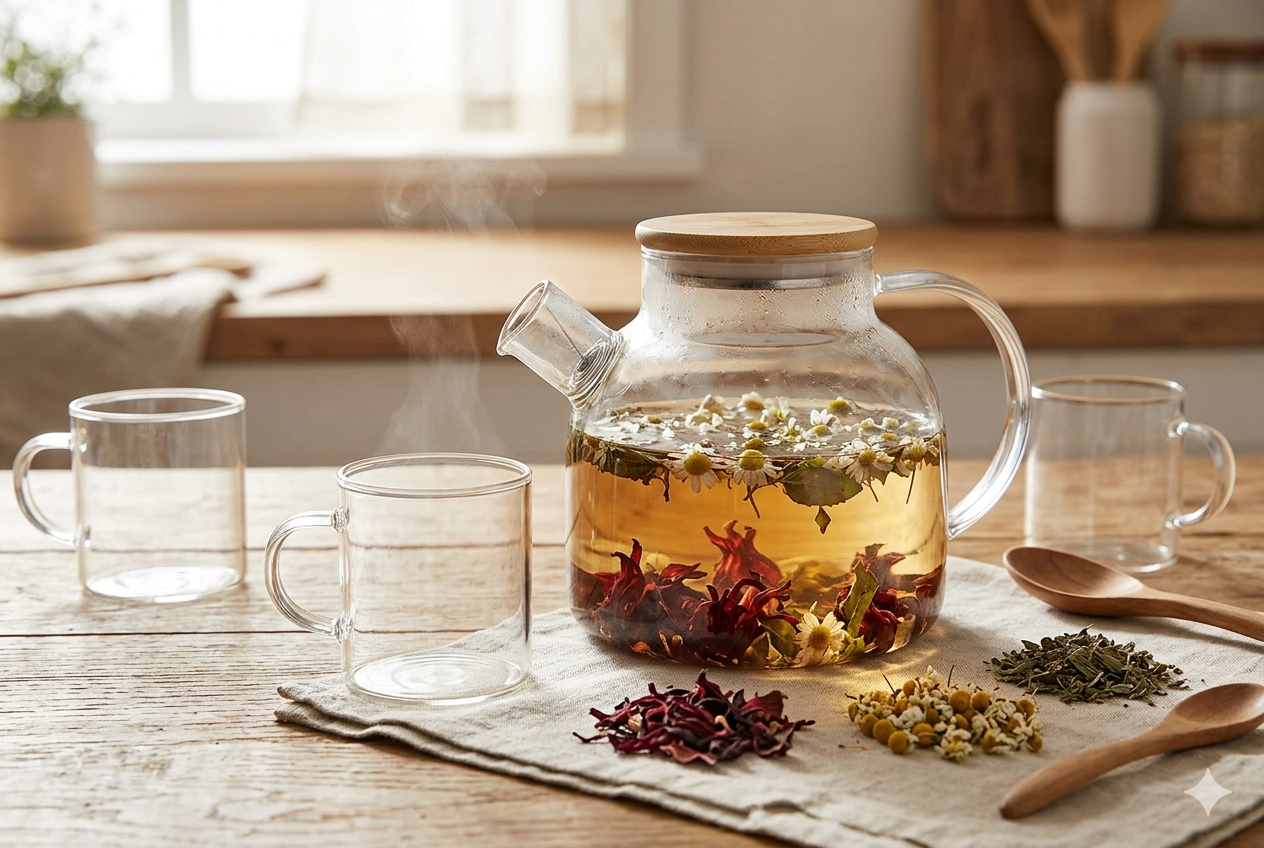
There is something deeply calming about brewing herbal tea at home — the rising steam, the slow unfurl of dried petals, the gradual bloom of colour as hot water meets botanicals. But the vessel you brew in matters far more than most people realise. Glass teapots are widely considered the gold standard for herbal tea brewing, and once you understand why, it becomes impossible to settle for anything less. Whether you are a daily tulsi drinker, a hibiscus enthusiast, or someone who rotates through a full herbal repertoire depending on the season, the right teapot transforms your tea ritual from a simple habit into a genuinely beautiful experience.
This guide covers everything you need to know — why glass teapots outperform ceramic and metal alternatives for herbal teas, which herbal teas brew best in glass, how to match your teapot to the right cups, and what to look for when choosing the best glass teapot for your home.
Why Glass Teapots Are The Best Choice For Herbal Teas
Not all teapots are created equal — and when it comes to herbal teas specifically, the material of your teapot makes a significant difference to flavour, visual experience, and long-term usability. Here is why glass teapots consistently outperform every alternative for herbal tea brewing.
No Flavour Transfer — Pure Taste Every Time
Glass is entirely chemically inert. Unlike clay, cast iron, or even stainless steel — all of which can absorb and retain flavour compounds from previous brews — glass teapots bring zero prior flavour into each new infusion. Every herbal tea you brew tastes exactly as it should, with no ghost of yesterday’s ginger brew lingering in your chamomile, and no metallic undertone creeping into your hibiscus.
This is particularly important for herbal teas, which tend to have more delicate and complex flavour profiles than black or green teas. A chamomile brewed in a teapot that previously held a strong peppermint tea will pick up traces of that mint, however subtle. In glass teapots, this cross-contamination simply does not happen.
Visual Brewing — The Most Beautiful Part Of Glass Teapots
One of the most compelling reasons to choose glass teapots for herbal teas is the visual experience of brewing. Herbal teas are among the most visually stunning drinks you can make — dried hibiscus petals slowly opening and releasing a deep crimson bloom, tulsi leaves unfurling and tinting the water a delicate green-gold, chamomile flowers floating gently to the surface as their oils disperse through the water.
In an opaque ceramic or metal teapot, all of this is invisible. In glass teapots, you watch every stage of the brew in real time — a front-row seat to a natural process that is genuinely beautiful to witness. It transforms the act of making tea from a purely functional task into a moment of mindful observation, which is entirely in keeping with the calming, intentional spirit of herbal tea drinking.
Easy Cleaning — No Staining, No Residue
Herbal teas — particularly hibiscus, turmeric, and berry-based blends — are notorious for staining. Porous materials like unglazed clay or certain ceramics absorb these pigments deeply, leading to permanent discolouration that affects both aesthetics and flavour. Borosilicate glass teapots resist herbal staining far more effectively, and any light residue that does form after repeated use rinses away easily with warm water and a soft brush.
The non-porous surface of glass also means that bacteria and mould have no microscopic crevices to settle into between uses — a genuine hygiene advantage over porous alternatives, especially in a humid kitchen environment.
Popular Herbal Teas And Their Ideal Brew Temperatures
One of the most important things to understand about herbal tea brewing is that different herbs require different temperatures and steeping times to release their full flavour and beneficial compounds. Borosilicate glass teapots handle all of these temperature ranges safely and effectively. Here is a guide to the most popular herbal teas and exactly how to brew them:
Tulsi — Holy Basil
Tulsi, also known as Holy Basil, is one of the most widely consumed herbal teas in India. Brew at 85 to 90°C and steep for 5 to 7 minutes. The lower temperature preserves the delicate aromatic oils in tulsi leaves that are responsible for its characteristic warm, slightly clove-like flavour. In a glass teapot, you can watch the water shift from clear to a beautiful pale gold as the tulsi infuses — a visual cue that your brew is developing perfectly.
Hibiscus
Hibiscus produces one of the most visually dramatic brews of any herbal tea. Brew at 90 to 95°C and steep for 5 to 8 minutes. Within the first minute, the dried hibiscus flowers begin releasing their deep crimson pigment, turning the water a vivid ruby red that deepens steadily throughout the steep. This is perhaps the single most spectacular brew to watch through the clear walls of glass teapots — it is genuinely stunning.
Chamomile
Chamomile is a gentle, calming tea that requires careful temperature control to avoid bitterness. Brew at 85 to 90°C and steep for exactly 5 minutes. Oversteeping chamomile — particularly at higher temperatures — releases bitter compounds that overpower its naturally sweet, apple-like flavour. The precision and visibility offered by glass teapots make it easy to monitor the brew and remove the flowers at exactly the right moment.
Ginger And Turmeric
For ginger and turmeric blends — robust, warming teas that are popular for their anti-inflammatory and digestive properties — brew at 95 to 100°C and steep for a full 10 minutes. These hardy roots require higher temperatures and longer steeping times to fully release their active compounds and flavour. The borosilicate glass used in quality glass teapots handles this near-boiling temperature range without any risk of cracking or thermal stress.
Peppermint
Peppermint is one of the most refreshing and versatile herbal teas, and it brews beautifully in glass. Steep at 85 to 90°C for 5 minutes. The menthol oils in peppermint leaves are highly volatile, which means that brewing at too high a temperature can cause them to evaporate before they fully infuse into the water, resulting in a weaker, less aromatic cup. The bamboo lid on quality glass teapots helps retain these volatile compounds during the steep, ensuring a fully flavoured, intensely refreshing result.
Ashwagandha Blend
Ashwagandha blends — increasingly popular in India for their adaptogenic and stress-relieving properties — brew best at 90°C for 8 minutes. The earthy, slightly bitter notes of ashwagandha balance beautifully with complementary herbs like cinnamon, cardamom, or licorice root. Brewing in glass allows you to monitor the colour development of the blend and adjust steeping time to your personal taste preference.
What To Look For When Choosing Glass Teapots
Not all glass teapots are made equal. Here are the key features to evaluate before making your choice:
Borosilicate Glass Construction
This is non-negotiable. Borosilicate glass has a low coefficient of thermal expansion, meaning it withstands sudden temperature changes — like pouring near-boiling water into a room-temperature teapot — without cracking or shattering. Regular soda-lime glass does not offer this thermal resistance and is genuinely unsafe for hot beverage brewing. Always confirm that glass teapots you are considering are made from borosilicate glass before purchasing.
Capacity
Consider how many cups you typically brew at once. A 1 litre teapot brews comfortably for 2 to 3 generous cups — ideal for a solo morning ritual with leftovers, or for sharing with one other person. If you regularly brew for a family or a group, consider a 1.2 to 1.5 litre capacity. For a single daily cup, an 800ml teapot may be more appropriate and easier to handle.
Lid Material
The lid of a teapot plays a crucial role in heat retention during steeping. Bamboo lids — like those featured on Kikiluxxa’s glass teapot — are an excellent choice because bamboo is a natural insulator that retains heat effectively while keeping the overall aesthetic clean, warm, and organic. They are also lightweight, easy to handle, and sustainably sourced, making them an environmentally conscious choice.
Infuser Type
For loose leaf herbal teas — which produce a far superior brew to tea bags — a built-in glass or stainless steel infuser basket is essential. Look for an infuser with fine enough mesh or perforation to contain small herbal particles like chamomile pollen and hibiscus fragments, while still allowing maximum water circulation through the leaves and flowers.
Handle Design
A comfortable, heat-safe handle is essential for safely pouring near-boiling water from glass teapots. Look for a handle that is wide enough to grip securely and positioned far enough from the body of the teapot to keep your hand away from the heat of the glass during pouring.
Kikiluxxa Glass Teapot — Features And Benefits
Our Clear Glass Teapot with Wooden Bamboo Lid is designed with the daily herbal tea ritual in mind, combining the functional excellence of borosilicate glass with the natural warmth and beauty of sustainably sourced bamboo.
1 Litre Capacity — The Perfect Everyday Size
At 1 litre capacity, this teapot brews enough for 2 to 3 generous cups — the ideal size for a morning ritual that serves yourself and one other person, or for a solo brewer who enjoys a second pour. The proportions of the teapot are also designed for visual balance on a kitchen counter or tray, sitting beautifully alongside matching glass mugs.
Bamboo Lid — Function Meets Natural Aesthetic
The sustainably sourced bamboo lid retains heat effectively during steeping, ensuring that your herbal infusion develops at the right temperature throughout the full steep time. The bamboo also adds a warm, organic visual contrast to the clear borosilicate glass body — a pairing that feels considered and intentional rather than purely functional. The teapot is microwave safe with the lid removed, adding everyday practicality to its list of credentials.
Borosilicate Glass Body — Safe, Clear, And Durable
The clear borosilicate glass body handles all herbal tea brewing temperatures safely — from the gentle 85°C of a chamomile brew to the near-boiling 100°C required for ginger and turmeric blends. The clarity of the glass is exceptional, allowing you to appreciate the full visual drama of every herbal infusion from the first pour to the final cup.
Pairing Glass Teapots With The Right Cups
The experience of brewing in glass teapots is made complete by pairing them with glass cups that carry the visual story of the brew from teapot to table. Our clear glass mugs in the 140 to 200ml range are the natural companion to the Kikiluxxa teapot — their transparency allows you to see the full, vivid colour of each pour, whether it is the deep crimson of hibiscus, the golden warmth of tulsi, or the pale clarity of a fresh chamomile brew.
This continuity of material — glass teapot to glass cup — creates a complete visual experience that elevates the entire tea ritual. It is the difference between simply making tea and genuinely savouring it as a moment of calm and beauty in your day.
How To Care For Your Glass Teapot
Proper care extends the life and beauty of your teapot significantly. After each use, rinse with warm water immediately to prevent herbal residue from drying and setting on the glass surface. For a deeper clean, use a soft bottle brush with a small amount of mild dish soap and rinse thoroughly. Avoid abrasive scrubbers, which can scratch the glass surface over time.
For stubborn staining from highly pigmented herbs like hibiscus or turmeric, fill the teapot with a solution of equal parts white vinegar and warm water and allow it to soak for 30 minutes before rinsing. This restores the brilliant clarity of the glass without the need for harsh chemical cleaners. Always allow your teapot to cool to room temperature before washing to avoid any risk of thermal shock from cold water meeting hot glass.
Final Thoughts
The best herbal tea you have ever made is probably still ahead of you — and the right teapot is a significant part of getting there. Glass teapots offer a combination of flavour purity, visual beauty, thermal safety, and ease of care that no other material can fully match for herbal tea brewing. They turn the act of making tea into a ritual worth slowing down for — a few minutes of calm, colour, and sensory pleasure in an otherwise busy day.
Whether you are brewing a single daily cup of chamomile before bed or sharing a pot of hibiscus with guests on a weekend morning, investing in a quality glass teapot is one of the most rewarding upgrades you can make to your daily tea ritual. Shop our glass teapot and mug range at kikiluxxa.com/shop and elevate every cup from this day forward.
FAQs About Glass Teapots
1. Are glass teapots safe for boiling water?
Yes, borosilicate glass teapots are completely safe for near-boiling and boiling water. Borosilicate glass is specifically engineered to withstand sudden and extreme temperature changes without cracking. Always confirm that your teapot is made from borosilicate glass rather than regular soda-lime glass before using it with very hot water.
2. Can I use a glass teapot on a gas or electric stovetop?
Most borosilicate glass teapots are not designed for direct stovetop use unless explicitly stated by the manufacturer. The Kikiluxxa glass teapot is designed for off-stove brewing — heat your water separately in a kettle to the correct temperature, then pour it into the teapot over your herbs. This gives you full temperature control and protects the teapot from direct flame exposure.
3. How do I remove herbal staining from my glass teapot?
For light staining, a warm water rinse immediately after use prevents most residue from setting. For deeper staining from hibiscus or turmeric, soak the teapot in equal parts white vinegar and warm water for 30 minutes, then rinse thoroughly. Borosilicate glass teapots resist staining far better than ceramic or clay alternatives, so regular rinsing after each use is usually sufficient for daily maintenance.
4. How long do glass teapots last?
A well-made borosilicate glass teapot, properly cared for, can last many years. The material does not degrade, absorb odours, or lose its clarity over time the way plastic or low-quality glass might. The main risk is physical impact — dropping the teapot — rather than material degradation. Handle with care and store on a stable surface away from the edge of countertops.
5. What is the best herbal tea to brew in a glass teapot for a beginner?
Hibiscus is the most visually spectacular herbal tea to brew in glass teapots and is an excellent starting point for anyone new to glass teapot brewing. It brews quickly, its colour transformation is dramatic and beautiful, and its tart, cranberry-like flavour is widely enjoyed. Chamomile is the best choice for a calming evening brew — gentle, forgiving on steeping time, and beautiful to watch as the flowers slowly open in the hot water.
Tags:
- Glass Teapots
Related Posts
Most people know they should drink more water. The advice is everywhere — eight glasses a day, half your body...
- 6 min read
- 6 min read
- 6 min read
- 6 min read