How To Set A Beautiful Dinner Party Table With Glass Drinkware
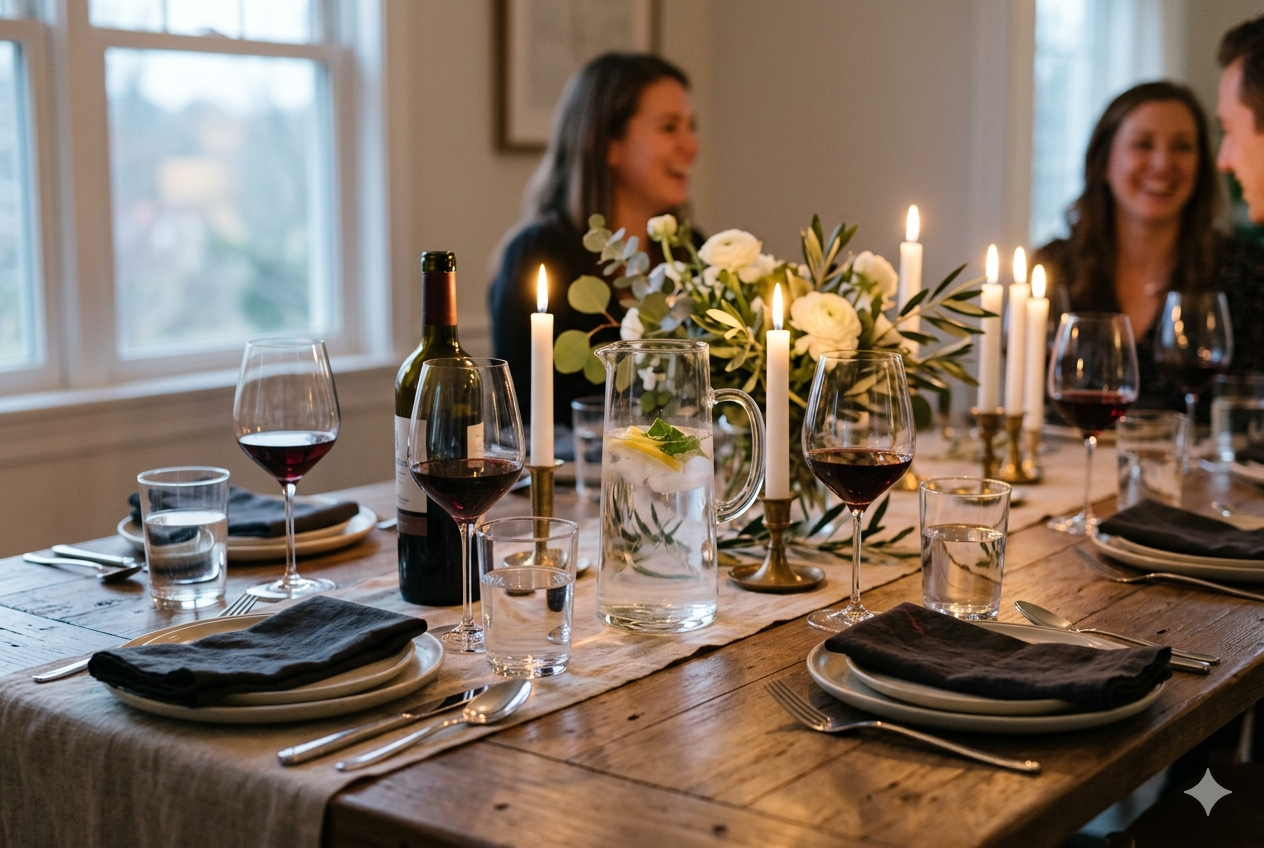
A beautifully set dinner table does not require expensive florals, elaborate centrepieces, or a professional stylist. What it requires is intention — a few carefully chosen elements arranged with purpose and care. And of all the elements that contribute to a stunning table setting, glass drinkware is the single most impactful and versatile tool you have at your disposal. It reflects light, creates visual cohesion, elevates even the simplest table setting, and communicates to your guests from the moment they sit down that this meal was prepared with genuine care and attention.
Whether you are hosting a formal dinner for eight, an intimate gathering for four, or a casual weekend lunch with family, this guide will walk you through everything you need to know to set a table that your guests will remember — using glass drinkware as your primary styling tool.
Why Glass Drinkware Belongs At Every Dinner Table
Before we get into the specific elements of table setting, it is worth understanding why glass drinkware is so consistently chosen by professional table stylists, interior designers, and experienced hosts across every occasion and aesthetic.
Glass Reflects And Amplifies Light
No other material on a dinner table interacts with light the way glass does. Whether it is natural afternoon light streaming through a window, the warm flicker of candles, or the soft glow of overhead pendant lights, glass drinkware catches, refracts, and distributes light across the table in a way that creates genuine atmosphere. A table set with matching clear glass tumblers and a glass water jug positively glows in candlelight — an effect that no ceramic, plastic, or metal drinkware can replicate.
Glass Creates Visual Cohesion
One of the most common mistakes in table setting is mixing too many different materials without a unifying element. Glass drinkware serves as a natural unifier across different table settings because its transparency allows it to complement virtually any colour of tablecloth, any style of crockery, and any table surface — from raw wood to crisp white linen. It never competes; it always complements.
Glass Communicates Intentionality
There is a reason that glass drinkware is the standard in fine dining restaurants, luxury hotels, and beautifully styled homes. It signals care and intention. When a guest sits down at a table and finds a polished glass tumbler at their setting — clear, bright, fingerprint-free — it immediately communicates that thought and effort have gone into the table. That first impression sets the tone for the entire meal.
Wine And Beverage Service With Glass Drinkware
Beyond water, the beverage choices you make for your dinner party offer further opportunities to build a cohesive and beautiful table using glass drinkware.
Choosing The Right Glass For Each Drink
Different drinks benefit from different glass shapes and sizes, and presenting each one in the right vessel demonstrates a level of hosting knowledge that guests genuinely appreciate. For still and sparkling water, a tall, straight-sided tumbler works beautifully. For wine, a stemmed glass with a wider bowl allows the wine to breathe and the guest to appreciate its colour. For soft drinks and mocktails, a slightly taller glass with room for ice and garnish is ideal.
The key principle when mixing glass styles on the same table is consistency within each type. If you are serving wine, every guest should have the same wine glass. If some guests are having soft drinks, their glasses should also match each other. Mixing matched sets of different glass styles creates a layered, considered look — the mark of a genuinely accomplished host.
Pre-Setting Versus Serving At The Table
For formal dinner parties, pre-setting glass drinkware — placing all glasses on the table before guests are seated — creates the most visually striking first impression. Guests arriving at a table already set with polished, gleaming glassware at every cover feel immediately welcomed and impressed. For more casual gatherings, serving drinks as guests arrive and bringing glasses to the table as the meal begins can feel warmer and more relaxed — equally valid depending on the tone you want to set.
Coffee And Tea Service — Ending The Meal With Glass
The final act of a dinner party — the coffee and tea service — is an opportunity that most hosts treat as an afterthought. Elevating it with carefully chosen glass drinkware transforms the end of the meal into a memorable, convivial moment rather than a functional wind-down.
A Glass Teapot As A Table Centrepiece
If you are ending the meal with chai, herbal tea, or a delicate loose-leaf brew, a glass teapot placed at the centre of the table creates a natural conversation moment that no other serving method can replicate. As guests watch the tea brew — watching the colour slowly bloom through the clear glass, the leaves gently unfurling in the hot water — the teapot itself becomes a talking point. It extends the meal naturally, encourages guests to linger, and adds a layer of theatre to an otherwise simple act.
The Kikiluxxa 1L bamboo-lid teapot is the ideal size for four guests at the end of a meal — generous enough to offer everyone a full cup with a little left for second pours, and beautiful enough to sit confidently at the centre of even a formally dressed table. Its bamboo lid adds a warm, organic contrast to the clear borosilicate glass body that feels considered and intentional alongside any table setting style.
Matching Glass Mugs For Cohesion
Pair the teapot with a matched set of clear glass mugs — the Clear Glass Mug Set of 6 from Kikiluxxa works beautifully here — so that the visual language of glass drinkware continues seamlessly from the water glasses at the beginning of the meal to the tea cups at the end. This cohesion — the same material, the same clarity, the same quality running through every vessel on the table — is what separates a truly memorable table setting from a simply pleasant one.
Table Setting Tips For Glass Drinkware
Knowing which pieces to use is only half the story. How you prepare, place, and style your glass drinkware is equally important. Here are the key practical tips that make the difference between a good table and a great one:
Always Polish Glass Before Setting
This is the single most important practical step in table setting with glass, and it is the step most often skipped. Fingerprints, water spots, and streaks on glass are immediately visible — they are the first thing a guest notices when they look at their setting, and they undermine every other element of the table instantly. Polish every piece of glass drinkware individually with a clean, lint-free cloth before placing it on the table. Hold each piece up to the light to check for any remaining marks before setting it down. This step takes perhaps five minutes for a full table setting and makes an enormous visible difference to the final result.
Consistent Sizing Within Each Setting
Matched sets matter more in table setting than in almost any other context. When every water glass at the table is identical — same height, same diameter, same glass thickness — the table has a visual harmony that feels professional and intentional. A single mismatched glass in an otherwise uniform setting draws the eye immediately and disrupts the cohesion. Invest in full matched sets of glass drinkware rather than mixing individual pieces, and your table will always look considered and complete.
Correct Glass Placement
In a formal place setting, the water glass sits above the knife at the top right of each cover. If you are also setting a wine glass, it sits to the right of the water glass, slightly lower. If you are setting both a wine glass and a champagne flute, the flute sits furthest to the right. The logic is that glasses are used from left to right as the meal progresses, mirroring the convention for cutlery. Following this placement convention gives your table an immediate sense of formality and order that guests recognise and respond to positively.
Let The Glass Do The Talking
One of the most important styling principles when glass drinkware is the centrepiece of your table is restraint in every other element. Glass is inherently beautiful and visually active — it catches light, creates reflections, and adds depth to the table without requiring any additional decoration. Avoid over-decorating when glassware is the feature. A simple, low floral arrangement, a clean tablecloth in a neutral or complementary colour, and well-polished glass drinkware will always create a more sophisticated result than a heavily decorated table where the glass gets lost among competing elements.
Candlelight And Glass — The Most Powerful Combination
If there is one styling secret that professional table designers rely on above all others, it is the combination of candlelight and glass. Candlelight through glass is one of interior design’s most reliable and most spectacular tricks — and it requires nothing more than the drinkware you already have on the table.
How To Position Candles For Maximum Effect
Position candle centrepieces so that their light passes through filled water glasses at each setting. As the candlelight travels through the water and the glass, it refracts and scatters across the tablecloth and surrounding surfaces, creating pools of warm, moving light that no overhead lighting can replicate. The effect is immediately intimate, warm, and atmospheric — transforming an ordinary dinner table into something that feels genuinely special.
For the most dramatic effect, use tall taper candles or pillar candles placed at a height that allows their flame to sit roughly level with the water line in your glass jugs and tumblers. The interaction between flame, water, and glass at this level produces the most beautiful light diffusion. Scented candles add an additional sensory layer to the table, though keep scents subtle so they do not compete with the food.
Final Thoughts
A beautiful dinner party table is within reach of every host — and glass drinkware is the most powerful single tool available to achieve it. From the visual anchoring of a central glass water jug to the intimate warmth of candlelight refracted through polished tumblers, glass transforms an ordinary table into an experience that guests feel from the moment they sit down.
Start with matched sets, polish every piece before setting, let the glass take centre stage, and let candlelight do the rest. Beautiful hosting truly does start with the right glassware — and every piece you need is waiting for you at kikiluxxa.com/shop.
FAQs
1. How many pieces of glass drinkware do I need for a dinner party of six?
For six guests, you will need at minimum six water tumblers, a large water jug, and six additional glasses for wine or other beverages — totalling at least thirteen pieces of glass drinkware plus serving vessels. If you are also serving tea or coffee at the end of the meal, add six glass mugs and a glass teapot to your list. Having one or two spare pieces of each type is always advisable in case of breakage during the evening.
2. How do I prevent water spots on glass drinkware at a dinner party?
Water spots form when water droplets dry on the glass surface, leaving mineral deposits behind. The best prevention is to polish every piece with a clean, dry, lint-free cloth immediately before setting the table. For particularly stubborn spots, a very light wipe with a cloth dampened with a small amount of white vinegar followed by a dry polish will restore full clarity. Always handle polished glass drinkware by the base or stem to avoid transferring fingerprints after polishing.
3. Can I use glass drinkware outdoors for a garden dinner party?
Yes, borosilicate glass drinkware is suitable for outdoor use in stable, sheltered conditions. The main consideration outdoors is surface stability — ensure that tables are level and that glasses are not positioned near edges where they could be knocked by guests or disturbed by wind. For very casual outdoor settings, consider using glassware with a wider, more stable base. Avoid leaving glass in direct, intense sunlight for extended periods, as the magnifying effect of glass can create localised heat points on table surfaces.
4. What is the best way to store glass drinkware between dinner parties?
Store glass tumblers and mugs upright rather than inverted where possible, as storing them rim-down on a hard surface can cause micro-chips to the rim over time. Use a dedicated glass storage shelf or cabinet with enough spacing between pieces to prevent contact during storage. For particularly precious or seldom-used pieces, store individually wrapped in soft cloth. Always ensure glass drinkware is completely dry before storing to prevent mould or mineral deposits forming inside closed storage.
5. How do I create a cohesive table setting if I only have one set of glass drinkware?
A single matched set of glass drinkware is all you need for a cohesive table — in fact, using one consistent set throughout is more sophisticated than mixing multiple different styles. Focus on polishing every piece to perfection, placing each one in exactly the correct position at every cover, and letting the uniformity of the matched set create the visual harmony. Add interest through other table elements — a linen tablecloth, a low floral centrepiece, good candles — rather than through variety in the glassware itself.
Tags:
- Glass Drinkware
Related Posts
Most people know they should drink more water. The advice is everywhere — eight glasses a day, half your body...
- 6 min read
- 6 min read
- 6 min read
- 6 min read