How To Clean And Maintain Your Glass Mugs And Tumblers For Long-Lasting Use
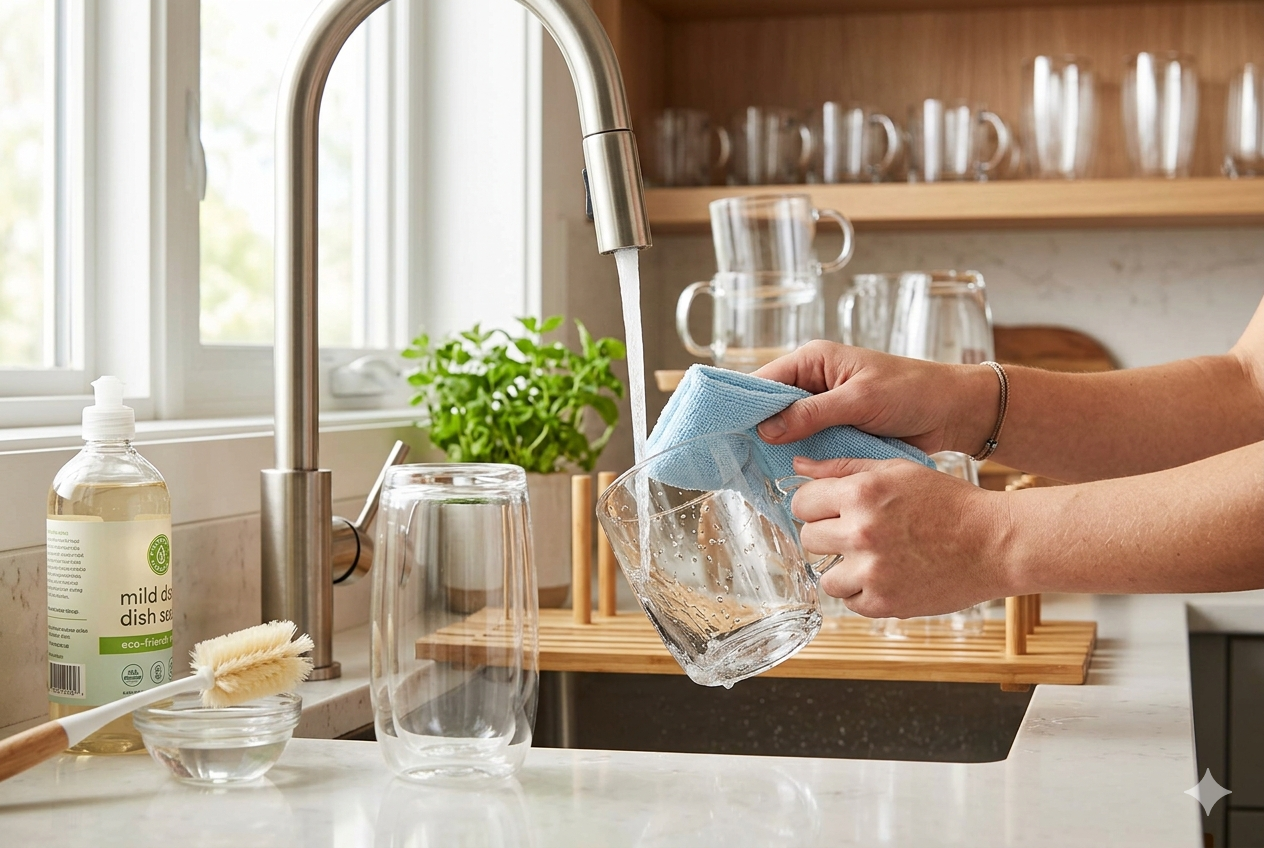
There is a particular pleasure in drinking from a perfectly clear, spotless glass — the kind of clarity that makes your morning coffee look richer, your herbal tea more inviting, and your cold water genuinely refreshing. Glass mugs and tumblers are among the most beautiful and hygienic drinkware options available, but they do require a specific approach to cleaning and maintenance to stay in peak condition over the long term.
The good news is that caring for glass mugs and tumblers is not complicated. It does not require expensive specialist products or significant time investment. What it requires is understanding a few key principles — the right cleaning methods for different types of staining, the correct storage approach to prevent damage, and the simple daily habits that keep glass looking crystal-clear for years rather than months. This guide covers all of it, in practical, actionable detail.
Why Proper Care Of Glass Mugs And Tumblers Matters
Before we get into the specific cleaning and maintenance steps, it is worth understanding why care matters so much for glass drinkware specifically — and what happens when it is neglected.
Clarity Is The Most Valuable Quality Of Glass
The defining characteristic of glass mugs and tumblers — the quality that makes them so visually beautiful and so satisfying to drink from — is their transparency. That clarity is not indestructible. It can be compromised over time by mineral deposits from hard water, by the residue of tea, coffee, and fruit juices left to dry on the surface, and by the microscopic etching caused by harsh dishwasher detergents used repeatedly over time.
Once glass develops a permanent cloudy or hazy appearance, it is very difficult to reverse. The good news is that it is entirely preventable with the right daily habits — and in most cases, even existing cloudiness can be significantly improved with the correct treatment methods.
Hygiene — Why Glass Cleanliness Goes Beyond Appearance
Glass mugs and tumblers are non-porous, which gives them a natural hygiene advantage over plastic or unglazed ceramic drinkware — bacteria have no microscopic surface cavities to settle into between uses. However, this advantage is only maintained when glass is cleaned properly and promptly. Coffee and tea residue left to dry inside a glass mug creates a thin film that, over repeated uses, can harbour bacteria and affect the flavour of subsequent drinks. Immediate rinsing after every use is not just about aesthetics — it is a fundamental hygiene practice.
Longevity — Getting Years Of Use From Quality Glass
Borosilicate glass mugs and tumblers are genuinely durable when treated correctly. The same piece can serve you beautifully for five, ten, or more years with appropriate care — making it one of the most sustainable and cost-effective drinkware choices available. The most common causes of premature damage to glass drinkware are entirely avoidable: thermal shock from extreme temperature changes, rim chipping from incorrect storage, and surface etching from inappropriate cleaning methods. Understanding and avoiding these three risks is the foundation of long-term glass care.
Everyday Cleaning Basics For Glass Mugs And Tumblers
The most effective glass care happens at the most basic level — the simple daily habits that prevent staining, residue, and damage before they have a chance to develop.
Rinse Immediately After Every Use
This is the single most important daily habit for maintaining glass mugs and tumblers in pristine condition. Coffee, tea, fruit juice, and even plain water leave trace residues on glass surfaces when they are allowed to dry. These residues are far easier to remove immediately after use — when they are still liquid — than after they have dried and bonded to the glass surface.
As soon as you finish a drink, rinse your glass mug or tumbler under warm running water. This takes approximately ten seconds and prevents the vast majority of staining before it begins. If you cannot wash the glass immediately, at minimum rinse it with water to dilute the residue and prevent it from drying. This simple, near-effortless habit will keep your glass mugs and tumblers significantly cleaner with less effort over time than any amount of deep cleaning can achieve after the fact.
Use Mild Dish Soap With A Soft Sponge
For a full wash, mild dish soap and a soft, non-abrasive sponge is all you need to clean glass mugs and tumblers effectively in daily use. Apply a small amount of soap to the sponge, wash the interior and exterior of the glass in gentle circular motions, paying particular attention to the base and any areas where residue tends to collect, then rinse thoroughly under warm running water.
The emphasis on mild soap and a soft sponge is important. Abrasive scrubbing pads — steel wool, rough sponge backs, hard-bristled brushes — can scratch the surface of glass, creating microscopic scratches that catch light, trap residue, and gradually dull the brilliant clarity that makes glass so beautiful. Once glass is scratched at a microscopic level, the damage is permanent. A soft sponge used consistently is always the right choice for glass mugs and tumblers.
Water Temperature — Warm, Not Boiling
Warm water is ideal for washing glass mugs and tumblers. Avoid pouring boiling water directly from a kettle over your glass for cleaning purposes — while borosilicate glass is highly resistant to thermal shock during normal drinking use, consistently exposing glass to extreme temperature changes during cleaning is an unnecessary risk that can weaken the glass structure over time. Warm tap water cleans just as effectively as boiling water for everyday residue and is entirely safe for repeated daily use.
Removing Stubborn Stains From Glass Mugs And Tumblers
Even with excellent daily cleaning habits, glass mugs and tumblers used regularly for tea, coffee, and fruit-based drinks will occasionally develop more stubborn staining or cloudiness that requires targeted treatment. Here is how to address each type effectively:
Tea And Coffee Stains
Tea and coffee are the most common sources of stubborn staining in glass mugs and tumblers. The tannins in tea and the oils in coffee bond to glass surfaces over time, creating a brown or yellowish film that does not shift with regular washing alone.
The most effective treatment is a white vinegar soak. Fill the stained glass mug or tumbler with equal parts white vinegar and warm water and allow it to soak for 15 to 20 minutes. The mild acidity of the vinegar breaks down the tannin and oil deposits without damaging the glass surface. After soaking, wash normally with mild soap and a soft sponge, then rinse thoroughly. For particularly stubborn staining, add a small amount of bicarbonate of soda to the vinegar solution — the gentle fizzing action provides additional mechanical cleaning power without abrasion.
Hard Water Marks And Mineral Deposits
Hard water — water with a high mineral content, common across many parts of India — leaves white, chalky deposits on glass surfaces that can make even clean glass mugs and tumblers appear dull and dirty. These mineral deposits are calcium and magnesium salts that bond to the glass surface as the water evaporates.
White vinegar is again the most effective treatment. Soak a soft cloth in undiluted white vinegar and wipe the affected areas of the glass firmly, allowing the vinegar to sit on the deposits for a minute or two before wiping clean. For deposits inside the glass, fill it with undiluted white vinegar and allow it to sit for 30 minutes before washing normally. Regular treatment with diluted vinegar — even as a preventive rinse once a week — significantly reduces hard water mark build-up on glass mugs and tumblers in hard water areas.
Dishwasher Cloudiness And Etching
Dishwasher cloudiness is one of the most frustrating and least understood forms of glass damage. Unlike mineral deposits — which sit on the surface of the glass and can be removed — dishwasher etching is a form of permanent surface damage caused by the highly alkaline detergents used in dishwashers reacting with the glass surface over time.
Etched glass has a permanently hazy, milky appearance that cannot be reversed by any cleaning method because the damage is structural rather than superficial. The only prevention is to switch glass mugs and tumblers to hand washing. Hand washing with mild dish soap preserves the surface integrity of glass indefinitely — and takes only marginally longer than loading and unloading a dishwasher. If you currently wash your glass drinkware in a dishwasher, switching to hand washing immediately will prevent any further etching from occurring, even if some existing haze is already present.
Cleaning Glass Straws
Glass straws are an elegant and sustainable alternative to plastic and metal straws, and they pair beautifully with glass mugs and tumblers for cold drinks, smoothies, and iced beverages. They do, however, require their own specific care approach due to their narrow interior diameter.
The Right Tool — A Glass Straw Cleaning Brush
Always use a straw cleaning brush specifically designed for glass straws — a long, thin brush with soft bristles that fits comfortably through the interior of the straw without forcing or scratching. These brushes are inexpensive and widely available, and they make cleaning glass straws completely straightforward. Insert the brush gently from one end, work it through with light pressure, then rinse thoroughly under warm running water.
Immediate Rinsing After Every Use
As with glass mugs and tumblers, immediate rinsing is the most important habit for glass straw maintenance. Run warm water through the straw immediately after use to flush out any residue before it has a chance to dry inside the narrow tube. Dried residue inside a glass straw is more difficult to remove than in a wide-mouthed glass, making the immediate rinse habit even more important for straw care than for mugs and tumblers.
Gentle Technique — No Aggressive Scrubbing
Never force the cleaning brush through a glass straw with aggressive pressure. Glass straws are durable under normal drinking use, but the interior surface can be damaged by forceful scrubbing with an ill-fitting or overly stiff brush. Consistent gentle rinsing immediately after use — combined with a weekly thorough brush clean — is all that is needed to keep glass straws in perfect condition.
Storage Tips For Glass Mugs And Tumblers
How you store your glass drinkware between uses is just as important as how you clean it. Incorrect storage is responsible for a significant proportion of the rim chipping, cracking, and cosmetic damage that shortens the life of otherwise well-maintained glass mugs and tumblers.
Always Store Upright — Never Stacked
Store glass mugs and tumblers upright on a flat, stable shelf rather than stacking them inside each other. Stacking places the weight of upper glasses directly on the rims of lower ones, which is the most common cause of rim chipping in glass drinkware. Even a small chip on the rim of a glass mug is a reason to retire that piece from use — a chipped rim is a potential injury risk and a sign that the structural integrity of the glass at that point has been compromised.
Soft Cloth Between Glasses When Stacking Is Unavoidable
If your storage space genuinely requires stacking, place a soft cloth — a clean dish towel, a folded piece of felt, or purpose-made glass storage pads — between each glass to prevent direct contact between rim and base. This distributes the weight more evenly and provides a cushioning layer that prevents both chipping and scratching between stacked pieces. This is a practical compromise for limited storage situations, though upright storage remains the ideal for glass mugs and tumblers.
Teapot And Jug Storage
Store glass teapots with their lids removed and set alongside rather than on top of the teapot body. Storing a teapot with its lid in place traps moisture inside, which can lead to musty odours developing over time — particularly if the teapot is stored for extended periods between uses. Store glass water jugs empty and upright when they are not in daily use, ensuring they are completely dry before storage to prevent mineral deposits or mould forming inside the vessel.
Final Thoughts
The longevity and beauty of your glass mugs and tumblers comes down to a few simple, consistent habits — rinse immediately after every use, wash gently with mild soap and a soft sponge, treat staining promptly with white vinegar, store upright on a stable shelf, and avoid the dishwasher. These practices require minimal time and effort but make an enormous difference to how long your glass drinkware stays crystal-clear, hygienic, and beautiful.
Quality borosilicate glass mugs and tumblers — like those in the Kikiluxxa range — are designed to last for years with appropriate care. Treat them well, and they will reward you with a daily drinking experience that plastic and ceramic simply cannot match. Shop the full range of Kikiluxxa glass drinkware and accessories at kikiluxxa.com/shop — and give your glass the care it deserves.
FAQs
1. Can I put my glass mugs and tumblers in the dishwasher?
While borosilicate glass mugs and tumblers are technically dishwasher-safe in terms of thermal resistance, regular dishwasher use is not recommended for maintaining long-term clarity. The highly alkaline detergents used in dishwashers cause a form of permanent surface etching over repeated wash cycles that gives glass a permanently hazy appearance. Hand washing with mild dish soap is always the better choice for preserving the clarity and brilliance of glass drinkware over the long term.
2. How do I remove the cloudy appearance from my glass tumblers?
Cloudiness in glass mugs and tumblers is caused by one of two things: mineral deposits from hard water, which sit on the surface and can be removed; or dishwasher etching, which is permanent surface damage. For mineral deposits, soak in equal parts white vinegar and warm water for 30 minutes, then wash normally. If the cloudiness persists after vinegar treatment, it is likely dishwasher etching — switch to hand washing immediately to prevent further damage.
3. How often should I deep clean my glass mugs and tumblers?
For glass mugs and tumblers used daily for tea or coffee, a vinegar soak treatment once every two to four weeks is sufficient to prevent tannin and mineral build-up from becoming entrenched. If you notice staining developing between treatments, increase the frequency to once a week until the staining is resolved, then return to the regular maintenance schedule. Daily rinsing and prompt washing after every use significantly reduces the frequency of deep cleaning required.
4. What is the best way to dry glass mugs and tumblers after washing?
The best drying method for glass mugs and tumblers is air drying on a clean drying rack in an upright position, which allows water to drain naturally without leaving pooled water deposits at the base. If you prefer to hand dry, use a clean, lint-free glass cloth and polish in gentle circular motions — this method also removes any water spots before they dry and become mineral deposits. Avoid leaving wet glasses on absorbent surfaces like dish towels for extended periods, as this can leave a water ring mark on the base of the glass.
5. Is it safe to use bicarbonate of soda to clean glass mugs and tumblers?
Yes, bicarbonate of soda is safe for cleaning glass mugs and tumblers when used correctly. It is a mild, non-abrasive cleaning agent that is particularly effective when combined with white vinegar for stubborn tea and coffee staining. Apply as a paste mixed with a small amount of water or vinegar, allow to sit for a few minutes, then wash away gently with a soft sponge. Do not use dry bicarbonate of soda with a rough scrubbing pad, as the combination of abrasive powder and abrasive pad can scratch glass surfaces.
Tags:
Related Posts
Most people know they should drink more water. The advice is everywhere — eight glasses a day, half your body...
- 6 min read

- 6 min read

- 6 min read

- 6 min read