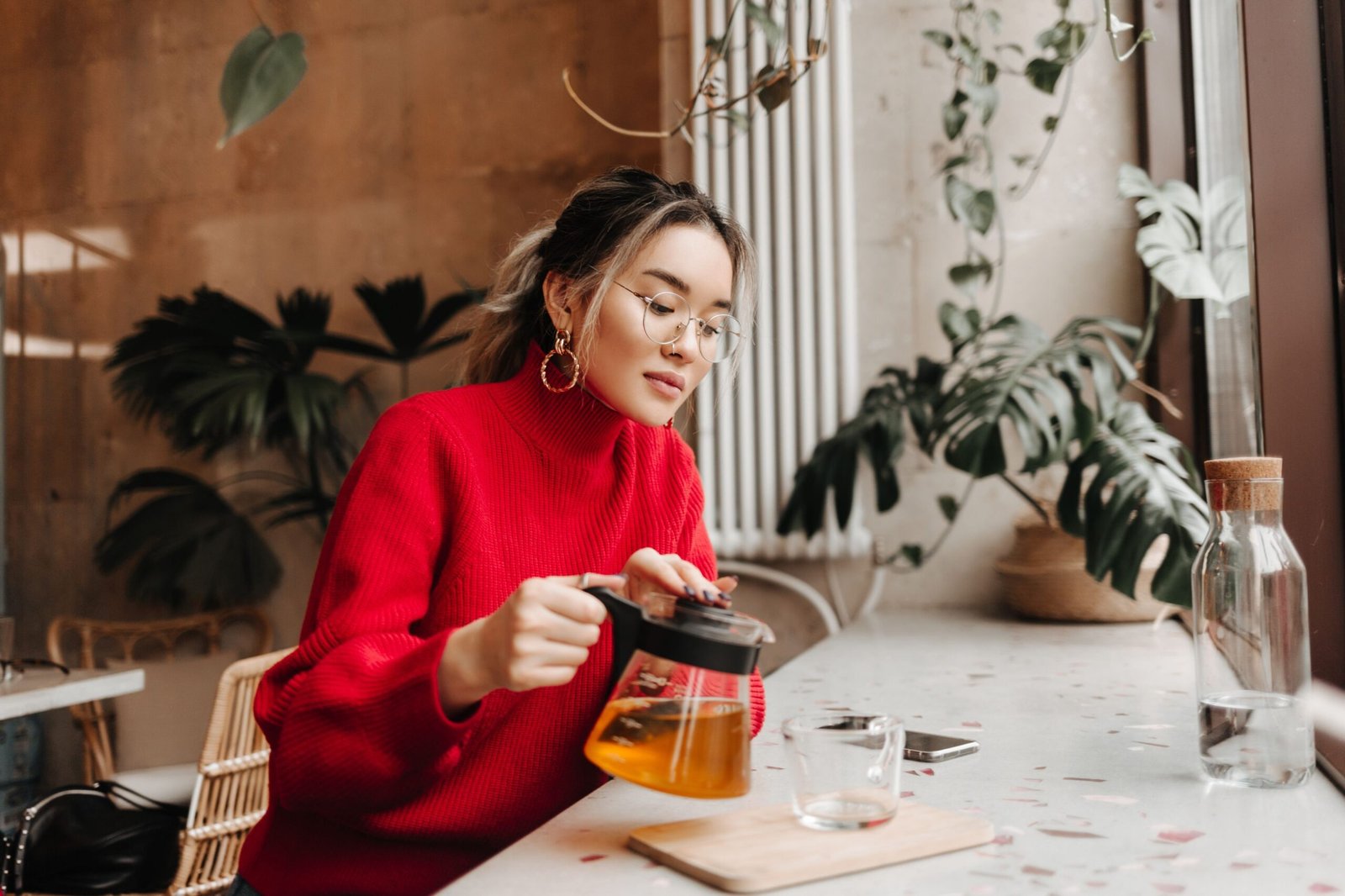
I used to think a teapot was just… a teapot. Something you keep in the kitchen, pull out when needed, and forget about the rest of the time. It didn’t feel like something worth paying attention to. Tea was the focus, not what you made it in.
But somewhere along the way, that changed. I remember one quiet evening—nothing special about it. I brewed tea in a different teapot, one that felt a bit more solid, a bit more considered. And for reasons I couldn’t quite explain, the whole process slowed down. I wasn’t rushing through it. I wasn’t distracted. I was just there, waiting, pouring, noticing.
It wasn’t the tea that surprised me. It was the moment. That’s when it started to make sense—maybe the teapot had more to do with the experience than I’d given it credit for.
The Hidden Role Of a Teapot In Your Daily Routine
Most things we use every day become invisible over time. You stop noticing them because they’re always there. A teapot falls into that category. But it does more than sit on a shelf.
When you use a teapot, the act of making tea becomes a sequence instead of a shortcut. You add the leaves, pour the water, wait a little, and then serve. It doesn’t take much longer, but it feels different. There’s a natural pause built into it.
I started noticing that pause during busy mornings. Even when everything else felt rushed, those few minutes didn’t. There’s something about watching tea steep, about hearing that gentle pour—it creates a moment that feels separate from everything else. Not important in a big way. Just quietly grounding.
How The Right Teapot Enhances Tea Quality
It’s easy to assume all teapots do the same job. They don’t.
The way a teapot holds heat changes how your tea develops. If it cools too quickly, the flavor never fully opens up. If it traps too much heat, the tea can turn bitter before you realize it. Material plays into this more than most people expect.
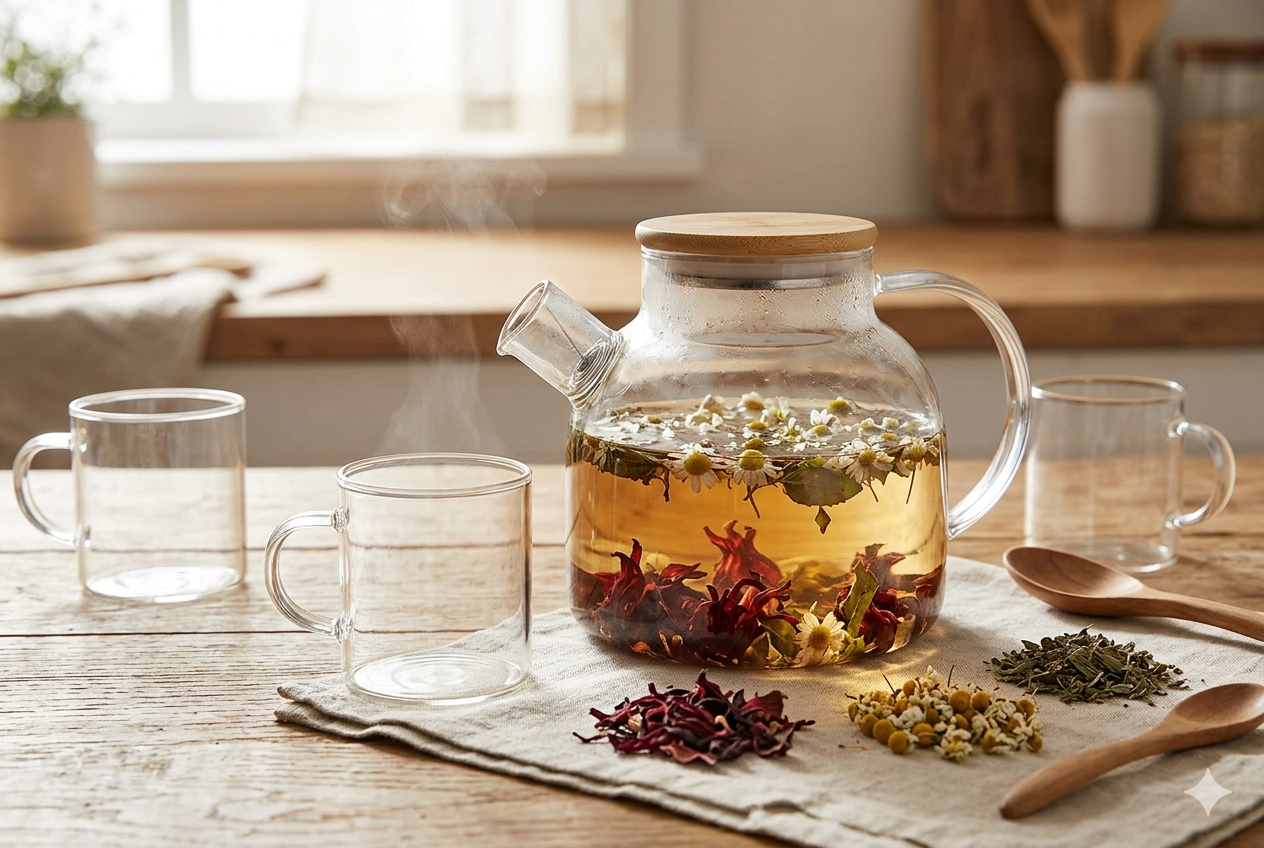
Glass feels light and clean, especially for delicate teas. Ceramic tends to hold warmth longer, giving stronger blends more depth. Some teapots just seem to “get it right” without you having to think about it.
Then there’s the space inside. Tea leaves need room to move. If they’re cramped, the flavor stays flat. Give them space, and suddenly the same tea tastes more alive.
It’s not about being precise. It’s about giving the tea a better chance to do what it’s supposed to do.
Design and Aesthetics: Elevating Everyday Moments
You might not buy a teapot for how it looks—but it does change how you feel using it.
A well-designed teapot has a quiet presence. It doesn’t demand attention, but it adds something to the space. You notice it when you reach for it, even if just for a second. Over time, it becomes familiar. Part of your routine in a way that feels natural.
I’ve found that when something looks considered—even something as simple as a Aesthetic Teapots—you treat the moment differently. You don’t rush as much. You don’t cut corners.
It’s not about impressing anyone. Most of the time, no one else is even around. It’s just for you.
Functional Features That Make a Difference
The smallest details tend to matter the most here. A handle that feels balanced makes pouring effortless. You don’t think about it—it just works. But the moment it doesn’t, you notice.
The spout is another one. A clean, steady pour feels satisfying in a way that’s hard to explain. No drips, no awkward angles, just a smooth flow into the cup.
Infusers are useful too, especially if you prefer loose tea. But only when they’re designed properly. If they’re too tight, the leaves don’t open up. Too loose, and you end up with bits in your cup.
None of these features stand out on their own. But together, they shape the entire experience.
Choosing The Perfect Teapot For Your Needs
There isn’t a perfect teapot for everyone. It really comes down to how you drink your tea.
If it’s something you have once in a while, almost anything will do. But if it’s part of your daily routine, the details start to matter more.
Think about how much you usually make. A large teapot sounds practical, but it can feel unnecessary if you’re only brewing for yourself. On the other hand, a very small one can feel limiting if you like a second cup.
Comfort is easy to overlook, but it makes a difference every single day. How it feels in your hand, how it pours, how easy it is to clean—those things decide whether you’ll actually keep using it. Looks matter, but only up to a point. If it’s frustrating to use, it won’t stay in your routine for long.
Common Mistakes People Make When Buying Teapots
A lot of people choose based on appearance first. It’s understandable—but it doesn’t always work out.
Some teapots look great but feel awkward when you actually use them. The handle might be off-balance, or the spout might drip slightly every time you pour.
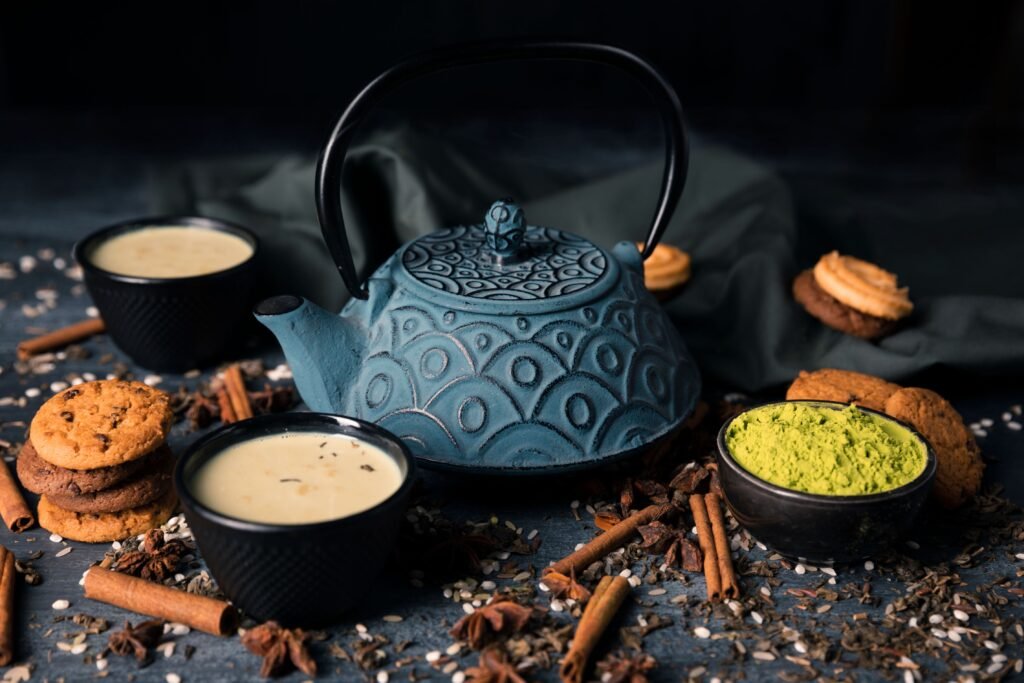
Material is another thing people don’t always think about. Not all teapots handle daily use well. Some lose heat quickly, others stain or wear down faster than expected.
Cleaning is often ignored too. If it’s difficult to rinse or dry properly, you’ll start avoiding it without even realizing why and then there’s size. Bigger isn’t automatically better. It has to match how you actually drink your tea.
Caring For Your Teapot The Right Way
A good teapot doesn’t need much attention—but it does appreciate consistency. Rinse it after each use. It only takes a moment, and it keeps flavors from building up over time.
Be gentle when cleaning. There’s no need for anything harsh. Most of the time, warm water and a mild wash are enough.
Let it dry properly before putting it away. It’s a small step, but it prevents that stale smell that can creep in if moisture stays trapped.
Every now and then, give it a more thorough clean. Not because it looks dirty—but because it keeps everything feeling fresh.
Transform Your Tea Experience With The Right Teapot
The change isn’t dramatic. That’s the interesting part. You don’t suddenly notice it one day and think, “This changed everything.” It’s quieter than that. Your tea just starts to feel… better.
You slow down a little without trying to. You pay attention for a few extra seconds. Even on busy days, that small moment stays steady and over time, it adds up.
That’s really what a good teapot does. Not something flashy or obvious. Just a subtle shift in how you experience something you already do every day.
FAQs
1. Does a Teapot Really Change The Taste Of Tea?
Yes, in subtle ways. Heat retention and space for the leaves can affect how the flavor develops.
2. What Type Of Teapot Is Best For Daily Use?
Something durable, easy to clean, and comfortable to handle. Ceramic and glass are both popular choices.
3. Is Loose-Leaf Tea Better Than Tea Bags In a Teapot?
Loose-leaf tea usually has more room to expand, which can improve flavor, but both can work well.
4. How Often Should I Clean My Teapot?
A quick rinse after each use and a deeper clean occasionally is usually enough.
5. Can One Teapot Be Used For Different Types Of Tea?
Yes, though some people prefer separate teapots to keep flavors distinct.