Why Glass Tumblers Are Replacing Plastic Bottles In 2026
Introduction
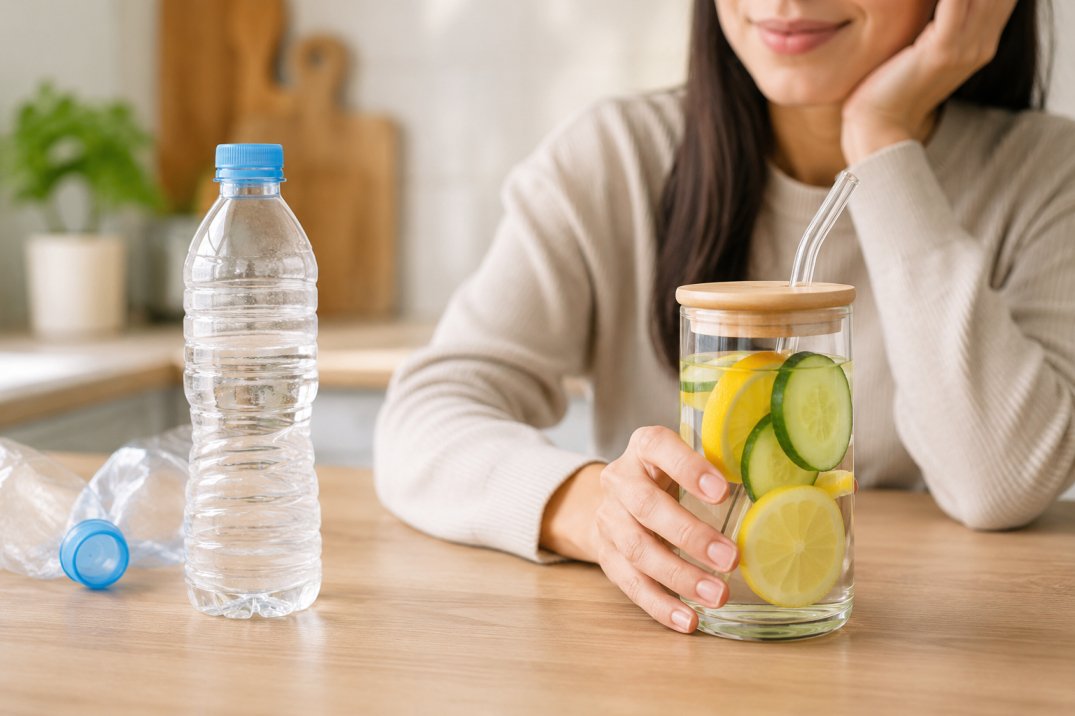
Plastic bottles once felt like the easiest option for everyday hydration, but in 2026, people are choosing smarter and more stylish alternatives. Glass tumblers are quickly becoming a favorite for modern homes, offices, and daily routines because they offer a cleaner drinking experience, a premium look, and a more sustainable lifestyle. Unlike plastic, glass doesn’t absorb odors, stain easily, or release unwanted chemicals over time.
Today’s consumers are paying closer attention to both wellness and aesthetics, and glass tumblers fit perfectly into that shift. From minimal kitchen setups to café-inspired workspaces, these elegant drinkware pieces are turning simple hydration into a lifestyle statement. As eco-conscious living continues to grow, glass tumblers are no longer just a trend — they are becoming the new everyday essential for people who want functionality, durability, and timeless design in one simple product.
The Growing Shift From Plastic To Glass In Everyday Hydration
This isn’t a niche movement anymore. It’s happening in offices, gyms, kitchens, and coffee shops across the country. The glass tumbler — once the kind of thing you associated with fancy restaurants or your grandmother’s sideboard — has quietly become the everyday drinking vessel of choice for a growing slice of the population.
Why now? A few reasons, and none of them feel accidental.
The conversation around single-use plastic has been building for years. But somewhere between 2023 and now, it crossed a threshold. People stopped treating plastic bottles as the default and started questioning whether they wanted one in their hand at all. That shift in thinking — subtle but real — opened the door for glass to walk through.
Why More Consumers Are Making The Switch To Glass Tumblers
Talk to anyone who’s made the switch and they’ll give you some version of the same three reasons.
➤ The taste thing is real:- Most people don’t notice it until they compare side by side. Plastic picks up flavours over time — from the dishwasher, from being left in a hot car, from age. Glass doesn’t. It’s completely neutral. Water tastes like water. Coffee tastes like coffee. That sounds obvious, but it’s actually a revelation when you experience it.
➤ The microplastic conversation got too loud to ignore:- For a while, it was easy to file microplastics under “concerning but distant.” That changed as studies started linking plastic particles to things that felt uncomfortably close to home. People weren’t waiting for official guidance. They were making a practical decision: if there’s a better option available, why not use it?
➤ Glass simply feels better to hold:- There’s a weight to it. A solidity. Using a glass tumbler in the morning carries a different energy than grabbing a battered plastic bottle — and yes, that matters to people, even if they don’t say it out loud.
The Health, Environmental, and Lifestyle Case For Glass Tumblers
The health argument is straightforward. Plastic — regardless of what’s printed on the label — is a polymer that can degrade, leach, and interact with whatever it’s storing. Heat accelerates this. Age accelerates it further. Glass does none of that. It is chemically stable, easy to sanitise properly, and has no hidden surprises.
The environmental case takes slightly more nuance, but still lands firmly on glass’s side. Yes, producing glass requires more energy upfront. But a tumbler you use daily for five or more years is an entirely different proposition from a plastic bottle you replace every twelve months. Over a lifetime of use, the footprint comparison is not close. Then there’s the lifestyle angle — and this one gets underestimated.
People form habits around the objects they like. A glass tumbler you genuinely enjoy using becomes part of your routine in a way that a functional-but-forgettable plastic bottle never does. You refill it more. You carry it with you. You drink more water — not because anyone told you to, but because the act of drinking from it is satisfying. Small design decisions shape behaviour. This is one of them.
How Glass Tumblers Became The Drinkware Of Choice In 2026
Trends need infrastructure to move. This one had several things working in its favour at once.Retail caught up. For years, good glass tumblers were either expensive or hard to find. That’s no longer true. Mid-range homeware shops, online stores, and even large supermarkets now stock solid options at reasonable prices. Accessibility matters — and the market responded.
Aesthetics did their part too. The design direction that dominated social media through 2024 and 2025 — warm tones, natural textures, honest materials — made glass a visual fit that stainless steel and plastic simply couldn’t match. People weren’t just buying drinkware. They were curating how their spaces looked and felt and there was a quiet workplace shift. Sustainability commitments, however imperfect in practice, changed what was acceptable on a desk or in a meeting room. Glass moved in. Branded plastic water bottles moved out.
From Plastic To Premium: The Rise Of Glass Tumbler Culture
Here’s what I find most interesting about all of this: glass tumblers aren’t expensive. Most good ones cost less than a decent lunch. Yet they carry a sense of intentionality that objects costing ten times as much sometimes don’t.That says something about how we’re thinking about consumption right now.
Premium used to mean status. Now it increasingly means durability, thoughtfulness, and the quiet satisfaction of owning fewer things that actually work. Glass tumblers fit that perfectly. They’re not a flex. They’re just — considered.
People are giving them as gifts. Choosing them carefully. Keeping them for years. That’s a different relationship with an object than most of us have had with drinkware before, and it suggests this shift isn’t a trend that’ll reverse when the algorithm moves on.
Final Thoughts
The shift from plastic bottles to glass tumblers in 2026 is more than just a design trend — it reflects a new way of living. People today want products that are healthier, environmentally responsible, and visually appealing at the same time. Glass tumblers offer all three, making them a practical choice for modern lifestyles.
Whether used for morning smoothies, iced coffee, infused water, or everyday hydration, glass drinkware adds a sense of elegance to simple daily routines. As consumers continue to embrace mindful living and sustainable habits, glass tumblers are proving that even small changes can make a big difference. Choosing glass is not only better for the planet, but it also brings a cleaner, more refined experience to every sip.
Frequently Asked Questions
1. Is Glass Drinkware Actually Safe For Daily Use?
Yes — completely. Glass is chemically inert, meaning it won’t leach anything into your drink regardless of temperature or how long the liquid sits. It’s also easy to clean properly, which plastic bottles often aren’t.
2. How Durable Are Glass Tumblers, Really?
More durable than most people expect. Borosilicate and tempered glass — the types used in quality tumblers — handle drops and temperature changes much better than standard glass. They’re not unbreakable, but daily kitchen use is well within their range.
3. Does Glass Hold Temperature As Well As Insulated Plastic?
Single-wall glass doesn’t insulate. But double-walled glass tumblers are widely available and perform well — cold drinks stay cold, hot drinks stay hot, and there’s no exterior condensation. They’re genuinely practical.
4. What’s The Environmental Trade-Off Between Glass and Plastic?
Glass costs more energy to produce initially, but it’s infinitely recyclable and far more durable. A glass tumbler used for five-plus years produces a fraction of the long-term waste a rotating cycle of plastic bottles does.
5. Any Tips For Making The Switch Without Feeling Like You’re Starting Over?
Start with one. One tumbler you actually like, in a size that works for your routine. Don’t make it a whole project. Most people find that within a week, reaching for glass feels entirely natural — and the plastic bottles they were using start to look surprisingly unappealing by comparison.
Tags:
- Glass Tumblers
Related Posts
Most people know they should drink more water. The advice is everywhere — eight glasses a day, half your body...
- 6 min read

- 6 min read
- 6 min read
- 6 min read